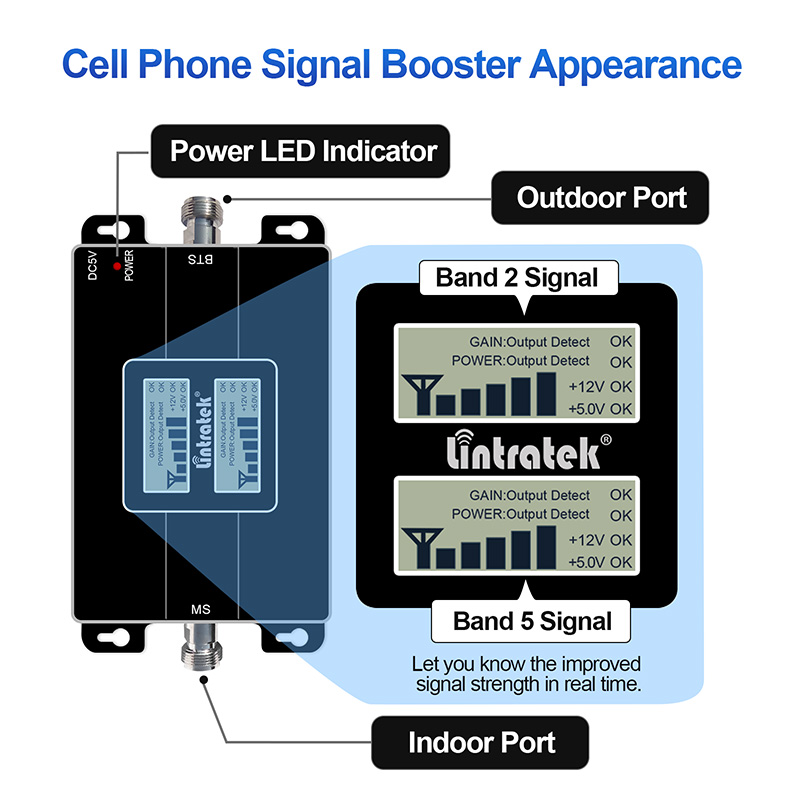
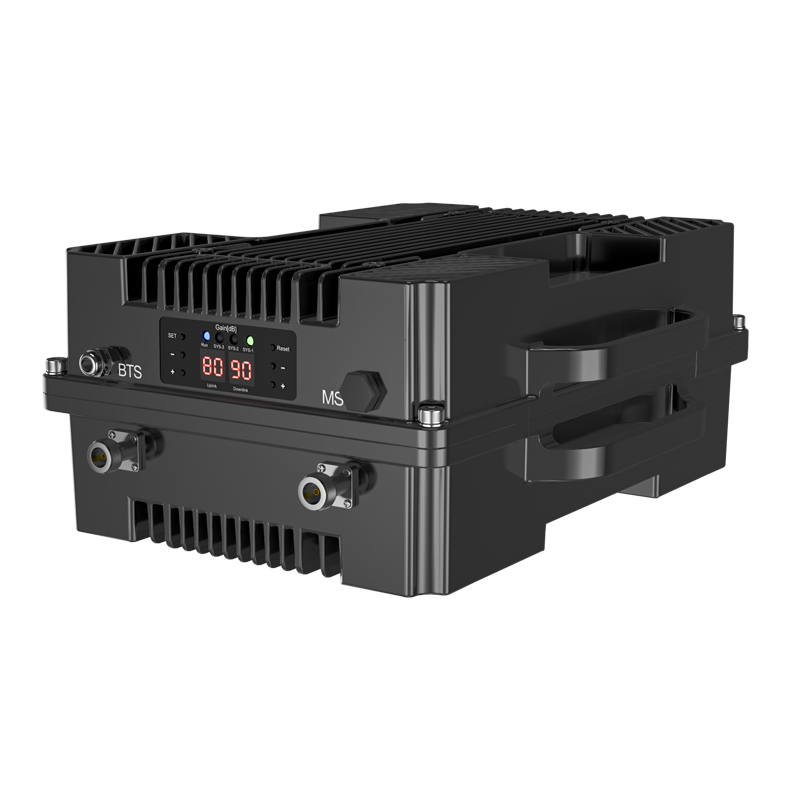
**Advancing Connectivity: China’s Cell Booster Network Repeaters and Cellular Range Extenders Enhance Communication Infrastructure**In an increasingly connected world, reliable cellular coverage remains a cornerstone of both personal and professional communication. Addressing this critical need, China has made significant strides in the development and deployment of cell booster network repeaters and cellular range extenders. These devices have become essential tools in overcoming signal challenges in diverse environments, from sprawling urban centers to remote rural areas, thereby strengthening the nation’s telecommunications infrastructure.Cell booster network repeaters and cellular range extenders are designed to amplify and extend mobile signals, ensuring consistent and high-quality connectivity. By capturing weak cellular signals, amplifying them, and rebroadcasting the enhanced signal, these devices effectively expand network coverage and improve call quality, data speeds, and overall user experience. This technology is particularly valuable in regions where geographical obstacles or dense building materials impede signal transmission.China’s focus on innovation in this sector aligns with its broader commitment to developing smart cities and enhancing digital infrastructure. The adoption of these network boosters supports various critical applications, including emergency services communication, internet of things (IoT) deployments, and seamless mobile internet access for millions of citizens.The national telecommunications strategy highlights the importance of enhancing coverage not only in metropolitan areas but also in underserved rural regions. Cellular range extenders have proven instrumental in bridging connectivity gaps in such areas, enabling residents to access educational resources, telehealth services, and e-commerce platforms. This connectivity boost contributes significantly to economic development and social inclusion.Moreover, these devices play a pivotal role in commercial and industrial settings. In large facilities such as factories, warehouses, and office complexes, network repeaters ensure uninterrupted communication by mitigating signal dead zones caused by structural interference. This enhancement directly contributes to operational efficiency, safety, and employee productivity.China’s advancements are supported by a robust manufacturing base capable of producing high-quality network repeater units that comply with international standards. The domestic production capacity also allows for customization tailored to specific environmental conditions and customer needs, providing flexible solutions across a variety of scenarios.Regulatory frameworks have evolved to ensure that the deployment of signal boosters and range extenders maintains network integrity and avoids interference with primary cellular networks. These regulations mandate certification and compliance, fostering a controlled expansion of signal enhancement technology that benefits users without compromising network stability.Industry experts emphasize that continued research and development will drive further improvements in booster technology, including enhanced signal processing capabilities, integration with emerging 5G networks, and increased energy efficiency. These innovations will enable even more reliable and faster mobile communications, supporting the digital transformation goals outlined by various governmental initiatives.In summary, the deployment of China’s cell booster network repeaters and cellular range extenders marks a crucial advancement in addressing connectivity challenges across the country. By amplifying and extending cellular signals effectively, these devices are bridging coverage gaps, enhancing user experience, and supporting the nation’s broader objectives of digital inclusivity and smart infrastructure development. As telecommunications technology evolves, China’s commitment to strengthening its network backbone through innovative signal boosting solutions will continue to play a vital role in shaping the future of communication connectivity.
Read More